
California
The average Liberty Score of the delegation is 39 out of 100, an F. 52 of its seats in Congress were decided on November 3, 2026.
Voting in California: how to register, vote early or vote by mail. Election Day was November 3.
Also on California's ballot: 14 propositions, each with what a yes and a no would do.
Who should California send to Congress, and who should it send home?Say what you think. Other readers can answer you.DiscussOn the ballot November 3
52 House seats in California. Tap a race to see the candidates side by side.
- 1st District
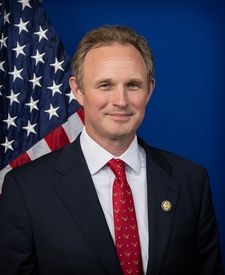 James GallagherR · holds the seatA
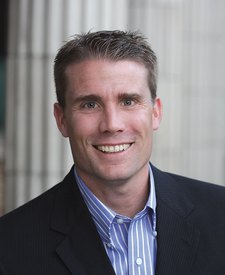 Mike McGuireD · no votes in Congress to count. Graded on words and actionsF
- 2nd District
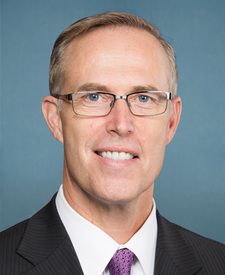 Jared HuffmanD · holds the seatFRobin LittauR · no votes in Congress to count, and too little on record for a letter–
- 3rd District
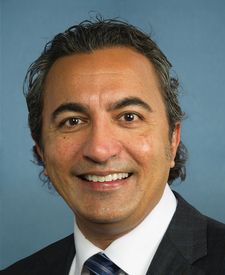 Ami BeraD · holds the seatFRobb TuckerR · no votes in Congress to count, and too little on record for a letter–
- 4th District
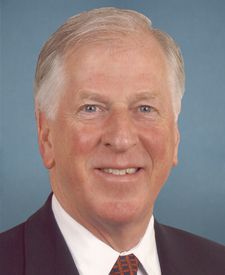 Mike ThompsonD · holds the seatFEric JonesD · no votes in Congress to count. Graded on words and actionsD
- 5th District
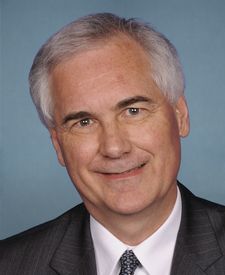 Tom McClintockR · holds the seatA-Michael MasudaD · no votes in Congress to count. Graded on words and actionsF
- 6th District
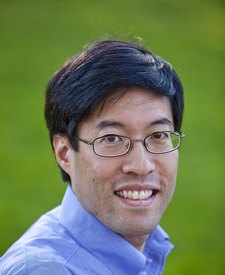 Richard PanD · no votes in Congress to count, and too little on record for a letter–
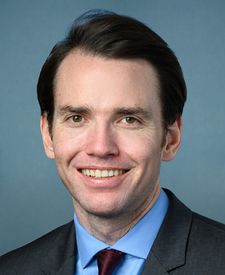 Kevin KileyIndependent · holds the seatA
- 7th District
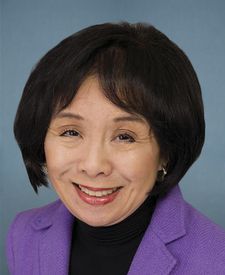 Doris MatsuiD · holds the seatF
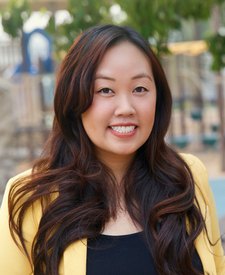 Mai VangD · no votes in Congress to count. Graded on words and actionsF
- 8th District
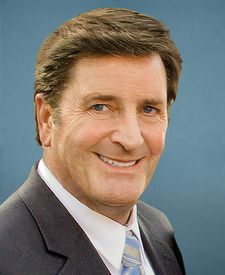 John GaramendiD · holds the seatFRudy RecileR · no votes in Congress to count, and too little on record for a letter–
- 9th District
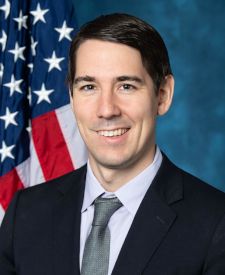 Josh HarderD · holds the seatFJohn McBrideR · no votes in Congress to count. Graded on words and actionsB-
- 10th District
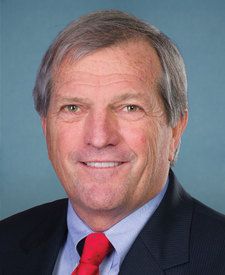 Mark DeSaulnierD · holds the seatFJeff FreseR · no votes in Congress to count. Graded on words and actionsA
- 11th DistrictOpen seat
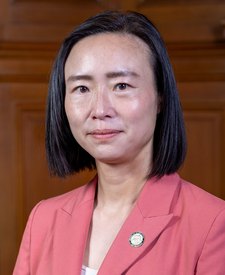 Connie ChanD · no votes in Congress to count. Graded on words and actionsF
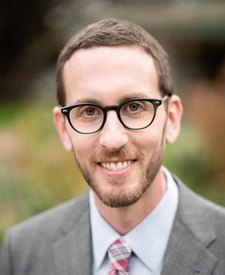 Scott WienerD · no votes in Congress to count. Graded on words and actionsF
- 12th District
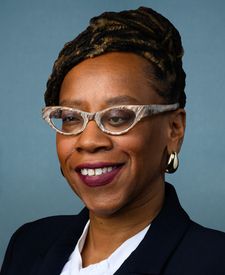 Lateefah SimonD · holds the seatFJamie JoyceD · no votes in Congress to count, and too little on record for a letter–
- 13th District
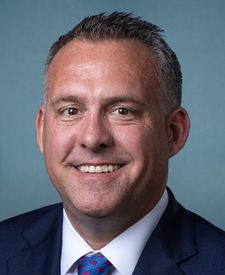 Adam GrayD · holds the seatF
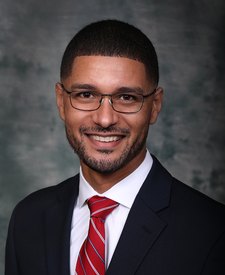 Kevin LincolnR · no votes in Congress to count, and too little on record for a letter–
- 14th District
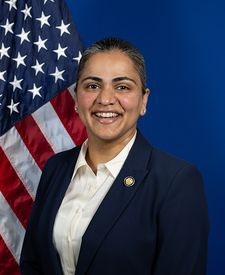 Aisha WahabD · holds the seatFMelissa HernandezD · no votes in Congress to count, and too little on record for a letter–
- 15th District
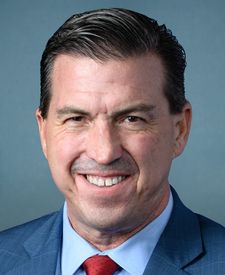 Kevin MullinD · holds the seatFCharles HoelterR · no votes in Congress to count, and too little on record for a letter–
- 16th District
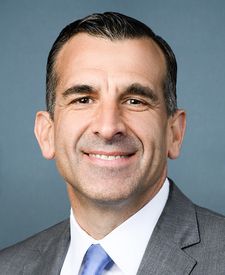 Sam LiccardoD · holds the seatFPeter SouléR · no votes in Congress to count, and too little on record for a letter–
- 17th District
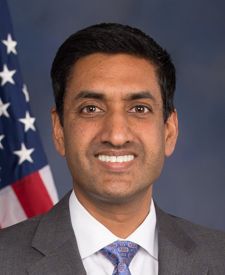 Ro KhannaD · holds the seatFRitesh TandonR · no votes in Congress to count. Graded on words and actionsA
- 18th District
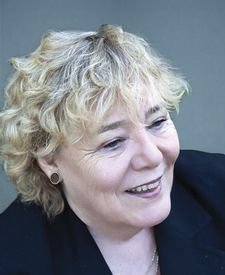 Zoe LofgrenD · holds the seatFShane LewisR · no votes in Congress to count. Graded on words and actionsA
- 19th District
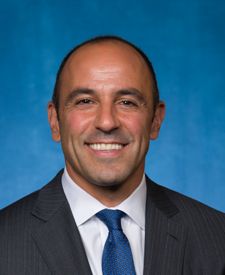 Jimmy PanettaD · holds the seatFPeter Coe VerbicaR · no votes in Congress to count. Graded on words and actionsA
- 20th District
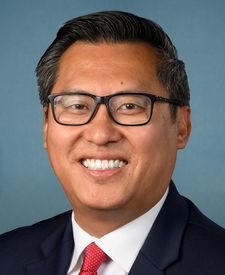 Vince FongR · holds the seatASandra Van ScotterD · no votes in Congress to count. Graded on words and actionsF
- 21st District
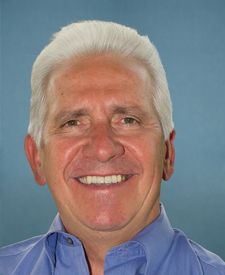 Jim CostaD · holds the seatFKyle KirklandR · no votes in Congress to count, and too little on record for a letter–
- 22nd District
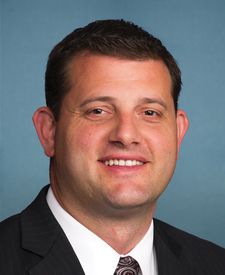 David ValadaoR · holds the seatARandy VillegasD · no votes in Congress to count. Graded on words and actionsF
- 23rd DistrictBetting markets: Obernolte 98%
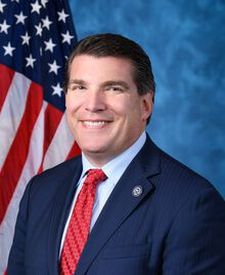 Jay ObernolteR · holds the seatATessa Lynn HodgeD · no votes in Congress to count, and too little on record for a letter–
- 24th District
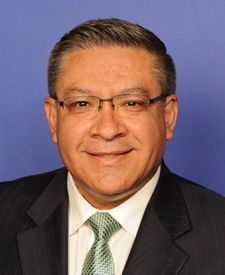 Salud CarbajalD · holds the seatFBob SmithR · no votes in Congress to count. Graded on words and actionsB
- 25th District
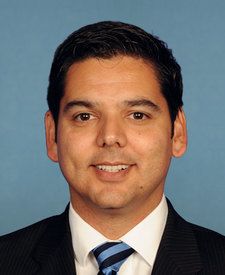 Raul RuizD · holds the seatFJoe MalesR · no votes in Congress to count, and too little on record for a letter–
- 26th DistrictOpen seatSam GallucciR · no votes in Congress to count, and too little on record for a letter–
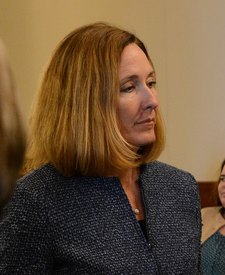 Jacqui IrwinD · no votes in Congress to count, and too little on record for a letter–
- 27th District
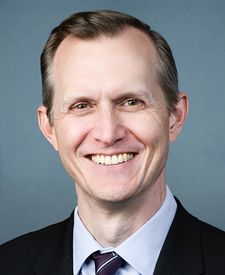 George WhitesidesD · holds the seatFJason GibbsR · no votes in Congress to count, and too little on record for a letter–
- 28th District
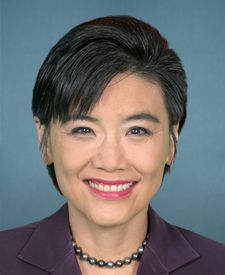 Judy ChuD · holds the seatFApril VerlatoR · no votes in Congress to count, and too little on record for a letter–
- 29th District
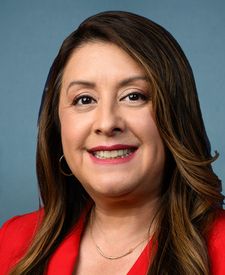 Luz RivasD · holds the seatFAngelica DueñasD · no votes in Congress to count. Graded on words and actionsF
- 30th District
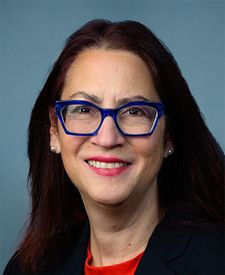 Laura FriedmanD · holds the seatFScott MeyersR · no votes in Congress to count. Graded on words and actionsA
- 31st District
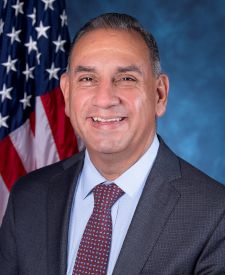 Gil CisnerosD · holds the seatFEric ChingR · no votes in Congress to count, and too little on record for a letter–
- 32nd District
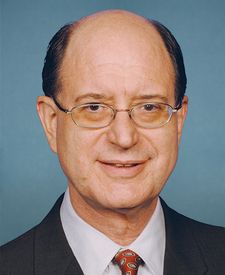 Brad ShermanD · holds the seatF
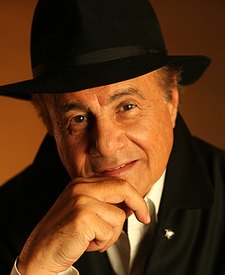 Larry ThompsonR · no votes in Congress to count. Graded on words and actionsA
- 33rd District
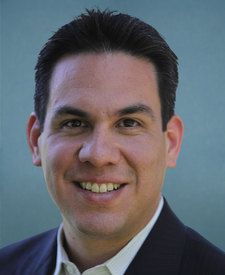 Pete AguilarD · holds the seatFStephanie VargasR · no votes in Congress to count. Graded on words and actionsA
- 34th District
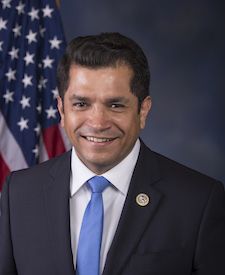 Jimmy GomezD · holds the seatFAngela Gonzales-TorresD · no votes in Congress to count. Graded on words and actionsF
- 35th District
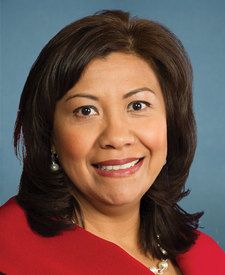 Norma TorresD · holds the seatFMike CargileR · no votes in Congress to count. Graded on words and actionsF
- 36th District
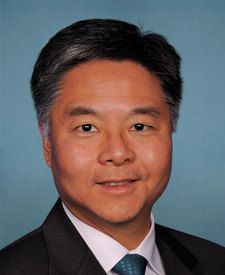 Ted LieuD · holds the seatFHouston BrignanoR · no votes in Congress to count, and too little on record for a letter–
- 37th District
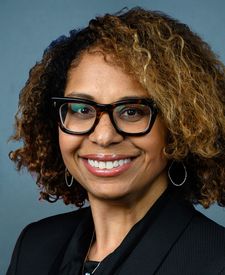 Sydney Kamlager-DoveD · holds the seatFSamantha MotaD · no votes in Congress to count, and too little on record for a letter–
- 38th DistrictOpen seatPedro CasasR · no votes in Congress to count. Graded on words and actionsA
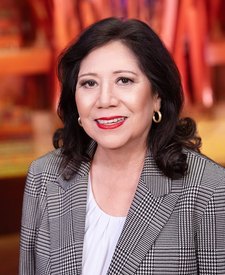 Hilda SolisD · no votes in Congress to count, and too little on record for a letter–
- 39th District
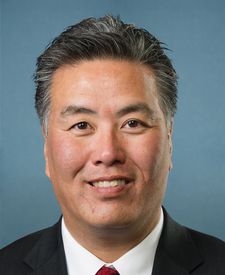 Mark TakanoD · holds the seatFSteve ManosR · no votes in Congress to count, and too little on record for a letter–
- 40th District
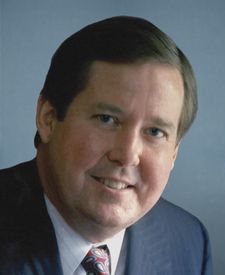 Ken CalvertR · holds the seatA
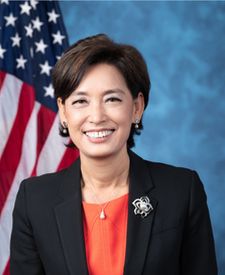 Young KimR · holds the seatA
- 41st District
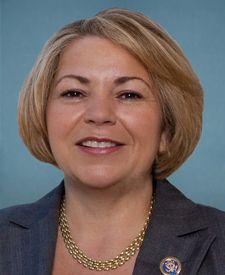 Linda SánchezD · holds the seatFMitch ClemmonsR · no votes in Congress to count, and too little on record for a letter–
- 42nd District
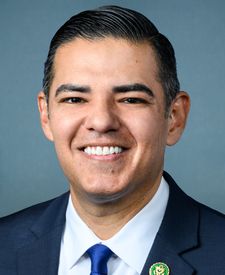 Robert GarciaD · holds the seatFBrian BurleyR · no votes in Congress to count, and too little on record for a letter–
- 43rd District
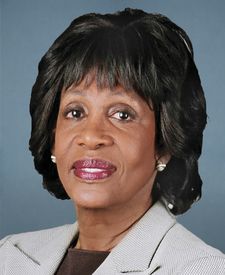 Maxine WatersD · holds the seatFCristian MoralesR · no votes in Congress to count. Graded on words and actionsA
- 44th District
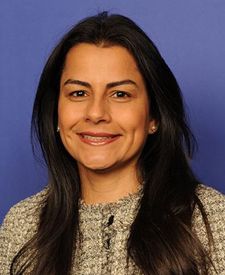 Nanette BarragánD · holds the seatFGenevieve AngelR · no votes in Congress to count. Graded on words and actionsA
- 45th District
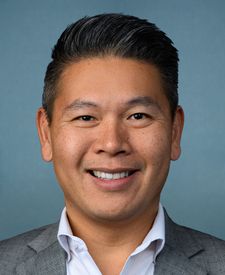 Derek TranD · holds the seatFChuong VoR · no votes in Congress to count. Graded on words and actionsA
- 46th District
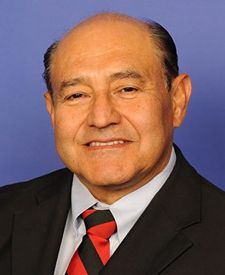 Lou CorreaD · holds the seatFDavid PanR · no votes in Congress to count. Graded on words and actionsA
- 47th District
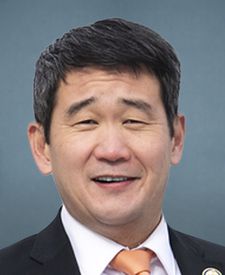 Dave MinD · holds the seatFJenny Le RouxR · no votes in Congress to count, and too little on record for a letter–
- 48th DistrictOpen seat
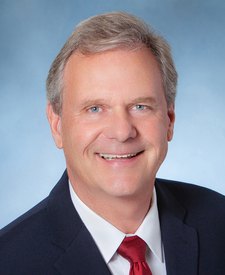 Jim DesmondR · no votes in Congress to count. Graded on words and actionsA
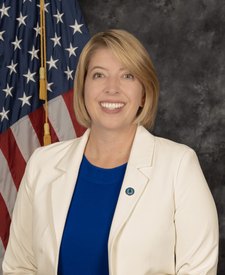 Marni von WilpertD · no votes in Congress to count. Graded on words and actionsF
- 49th District
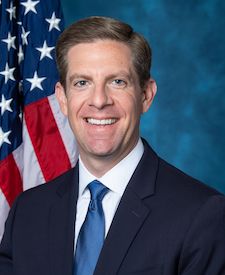 Mike LevinD · holds the seatFArmen KurdianR · no votes in Congress to count. Graded on words and actionsB-
- 50th District
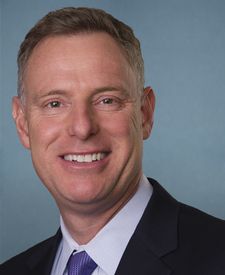 Scott PetersD · holds the seatFSteve CohenR · no votes in Congress to count, and too little on record for a letter–
- 51st District
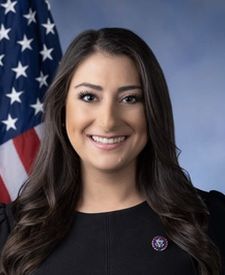 Sara JacobsD · holds the seatFRicardo CabreraR · no votes in Congress to count, and too little on record for a letter–
- 52nd District
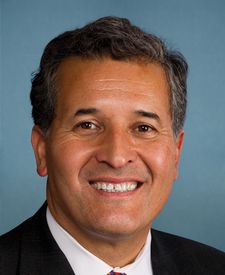 Juan VargasD · holds the seatFJeff BelleR · no votes in Congress to count. Graded on words and actionsA
14 propositions on California's ballot, November 3
Voters in California decide these 14 themselves on November 3. For each one: what a yes does, what a no does, what it costs, and the state's own page. Where one of my principles already settles a side, I say which and why. What you do with it is up to you.
-
Proposition 1: Authorizes Bonds for Housing Affordability Programs
- If yes wins
- The state can borrow $11.25 billion for housing: rental homes, home loans for veterans, housing with services attached, and help with down payments.
- If no wins
- The state cannot borrow that $11.25 billion.
- What it costs
- Paying the bonds back costs the state $500 million to $600 million a year for about 25 years.
No side from me yet. None of my principles settles this one.
-
Proposition 2: Increases State’s Rainy Day Fund
- If yes wins
- The state keeps saving until its rainy day fund holds 20 percent of its general tax income, up from 10 percent, and keeps making extra debt payments through 2040 instead of 2030.
- If no wins
- The savings target stays at 10 percent and the extra debt payments stop after 2030.
- What it costs
- The Legislative Analyst gives no dollar figure: reserves would be higher, and the state might pay down more debt.
Money put into the fund would stop counting against the state's spending limit until it is taken out.
No side from me yet. None of my principles settles this one.
-
Proposition 3: Provides Permanent Funding for Schools and Health Care by Extending Existing Tax on High Incomes
- If yes wins
- The higher state income tax rates on people earning over $371,000, in place since 2012, become permanent.
- If no wins
- Those higher rates expire in 2031.
- What it costs
- The state keeps collecting $5 billion to $15 billion a year that it would otherwise stop collecting in 2031.
No side from me yet. None of my principles settles this one.
-
Proposition 4: Repeals Prohibition Against Public Funding of Election Campaigns
- If yes wins
- The state and local governments may create programs that pay for candidates' campaigns with public money, though not with money set aside for education, transportation or public safety.
- If no wins
- The state and most local governments stay barred from paying for candidates' campaigns.
- What it costs
- A few hundred thousand dollars a year for state guidance, plus whatever any program a government creates later would cost.
No side from me yet. None of my principles settles this one.
-
Proposition 5: Changes Recall Election Process for Statewide Officers
- If yes wins
- A recall ballot asks only whether to remove the official, and the empty seat is filled afterward by a special election or an appointment, depending on the office and the timing.
- If no wins
- A recall ballot keeps asking who should take over, on the same ballot.
- What it costs
- Unknown: a recall could cost or save millions of dollars, depending on the office.
No side from me yet. None of my principles settles this one.
-
Proposition 37: Creates Loan Program for Middle-Income Buyers of Qualified New Homes
- If yes wins
- The state sells up to $25 billion in bonds and lends buyers up to 17 percent of the price of a newly built home, and the buyers' payments repay the bonds.
- If no wins
- The state does not have to create the loan program.
- What it costs
- No direct cost to the state or to local governments, because the buyers' payments repay the bonds.
No side from me yet. None of my principles settles this one.
-
Proposition 38: Authorizes Bonds for Immunology Medical Research
- If yes wins
- The state can borrow $8.4 billion for research on the immune system and on treatments that use it, half for one nonprofit institute tied to the University of California and half for research grants.
- If no wins
- The state cannot borrow that $8.4 billion.
- What it costs
- Paying the bonds back costs the state $500 million to $600 million a year for about 20 years, less if the research earns money.
No side from me yet. None of my principles settles this one.
-
Proposition 39: Prohibits Citizens from Voting Unless They Present Government-Issued Identification
- If yes wins
- You show government ID to vote in person, you write the last four digits of an ID number on a mail ballot envelope, and election officials have to check that the people on the voter rolls are citizens.
- If no wins
- Your signature stays the way your identity is checked.
- What it costs
- Tens of millions to low hundreds of millions of dollars a year for the state and local governments.
No side from me yet. None of my principles settles this one.
-
Proposition 40: Imposes One-Time Tax on Certain Taxpayers
- If yes wins
- People worth over $1 billion who lived in California on January 1, 2026 pay the state a one-time tax of 5 percent of their net worth, and 90 percent of the money has to go to health care.
- If no wins
- The state does not collect that tax.
- What it costs
- Tens of billions of dollars come in over several years, and the state may lose under $1 billion a year in income tax from billionaires.
If Proposition 41 or 42 gets more yes votes than this one, the courts could stop it from becoming law even if it passes.
No side from me yet. None of my principles settles this one.
-
Proposition 41: Prohibits New State Taxes That Exclude Revenues from State Spending Limit. Requires Audits for New State Special Taxes
- If yes wins
- The State Auditor reviews the programs a new special tax would pay for, before the election and every four years after, and a state tax passed after January 1, 2026 that keeps its money outside the state spending limit is cancelled.
- If no wins
- The State Auditor's duties and the spending limit rules stay as they are.
- What it costs
- Unknown: it depends on what voters and the Legislature decide later.
If this gets more yes votes than Proposition 40, the courts could stop Proposition 40 from becoming law even if it passes.
No side from me yet. None of my principles settles this one.
-
Proposition 42: Prohibits New State Personal Property Taxes and Certain Retroactive State Taxes
- If yes wins
- The state cannot create a new tax on owning stocks, investment accounts or other personal property, and it is limited in taxing things that already happened.
- If no wins
- The state keeps the option of taxing the ownership of financial assets and other personal property.
- What it costs
- The state's tax income may not grow as much in the future.
If this gets more yes votes than Proposition 40, the courts could stop Proposition 40 from becoming law even if it passes.
No side from me yet. None of my principles settles this one.
-
Proposition 43: Limits Voters’ Ability to Raise Revenues for Local Government Services
- If yes wins
- From January 1, 2027, a local tax for one stated purpose that voters put on the ballot themselves needs two thirds of the vote to pass, up from more than half.
- If no wins
- Those taxes keep passing with more than half of the vote.
- What it costs
- Local governments may collect less tax in the future than they otherwise would.
No side from me yet. None of my principles settles this one.
-
Proposition 44: Requires Community Health Clinics Spend 90% Of Revenue on Program Services
- If yes wins
- Private nonprofit clinics that mainly serve low-income patients have to spend at least 90 percent of their revenue on health care, and pay the state the shortfall when they do not.
- If no wins
- The spending rule does not take effect.
- What it costs
- Enforcing it costs the state low tens of millions of dollars a year, paid by fees on the clinics.
No side from me yet. None of my principles settles this one.
-
Proposition 45: Modifies Environmental Review for Certain Projects
- If yes wins
- Most housing, transportation, water and health projects can choose a faster environmental review with deadlines, and a court can stop only the part of a project whose review fell short.
- If no wins
- Projects keep going through the review and court process used today.
- What it costs
- High tens of millions of dollars a year at first for state and local governments, possibly over $100 million, partly paid by fees, with the long run effect uncertain.
No side from me yet. None of my principles settles this one.
The list is from the California Secretary of State, Qualified Statewide Ballot Measures, read October 13, 2026. The yes, no and cost lines are my wording of the official summaries.
Think I have one of these wrong, or see a side where I see none? Make your case in the California discussion.
California is the first state I've done this for. Want yours next? Pick your state and ask in its discussion.
Senators today
Representatives today
- Kevin KileyI · California · 3rd DistrictA
- Young KimR · California · 40th DistrictA
- Ken CalvertR · California · 41st DistrictA
 Darrell IssaR · California · 48th DistrictLeaving CongressA
- David G. ValadaoR · California · 22nd DistrictA
- Jay ObernolteR · California · 23rd DistrictA
- Vince FongR · California · 20th DistrictA
- Tom McClintockR · California · 5th DistrictA-
- Adam GrayD · California · 13th DistrictF
- Mike LevinD · California · 49th DistrictF
- Jim CostaD · California · 21st DistrictF
- Josh HarderD · California · 9th DistrictF
- Jimmy PanettaD · California · 19th DistrictF
- George WhitesidesD · California · 27th DistrictF
- Raul RuizD · California · 25th DistrictF
- Scott H. PetersD · California · 50th DistrictF
- Norma J. TorresD · California · 35th DistrictF
- Ted LieuD · California · 36th DistrictF
- Salud O. CarbajalD · California · 24th DistrictF
 Julia BrownleyD · California · 26th DistrictLeaving CongressF
- Pete AguilarD · California · 33rd DistrictF
- Brad ShermanD · California · 32nd DistrictF
- J. Luis CorreaD · California · 46th DistrictF
- Juan VargasD · California · 52nd DistrictF
- Mike ThompsonD · California · 4th DistrictF
- Gilbert Ray Cisneros, Jr.D · California · 31st DistrictF
- Ami BeraD · California · 6th DistrictF
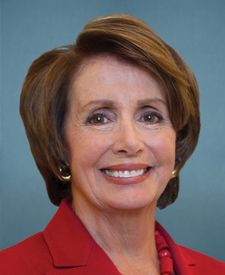 Nancy PelosiD · California · 11th DistrictLeaving CongressF
- Sam T. LiccardoD · California · 16th DistrictF
- Doris O. MatsuiD · California · 7th DistrictF
- Dave MinD · California · 47th DistrictF
- Zoe LofgrenD · California · 18th DistrictF
- Derek TranD · California · 45th DistrictF
- John GaramendiD · California · 8th DistrictF
- Linda T. SánchezD · California · 38th DistrictF
- Kevin MullinD · California · 15th DistrictF
- Laura FriedmanD · California · 30th DistrictF
- Luz M. RivasD · California · 29th DistrictF
- Maxine WatersD · California · 43rd DistrictF
- Sara JacobsD · California · 51st DistrictF
- Jimmy GomezD · California · 34th DistrictF
- Nanette Diaz BarragánD · California · 44th DistrictF
- Jared HuffmanD · California · 2nd DistrictF
- Sydney Kamlager-DoveD · California · 37th DistrictF
- Ro KhannaD · California · 17th DistrictF
- Judy ChuD · California · 28th DistrictF
- Lateefah SimonD · California · 12th DistrictF
- Mark DeSaulnierD · California · 10th DistrictF
- Mark TakanoD · California · 39th DistrictF
- Robert GarciaD · California · 42nd DistrictF
- James GallagherR · California · 1st District?
- Aisha WahabD · California · 14th District?
Who should California send to Congress, and who should it send home?
Say it where other readers can answer you. Opinions, videos and corrections about California are all in one place.
Discussion
California
Opinions, videos, corrections and bug reports about California, all in one place. What readers post is their words, not mine. My answers carry the Host tag.
Leave out anything private about anyone. The rules, what your account keeps, and what readers have changed so far
Think a grade is wrong? Argue it with me.
The community meets on a group call every day, with the hosts and the panel. Bring the vote you think I got wrong.